Malik Thompson
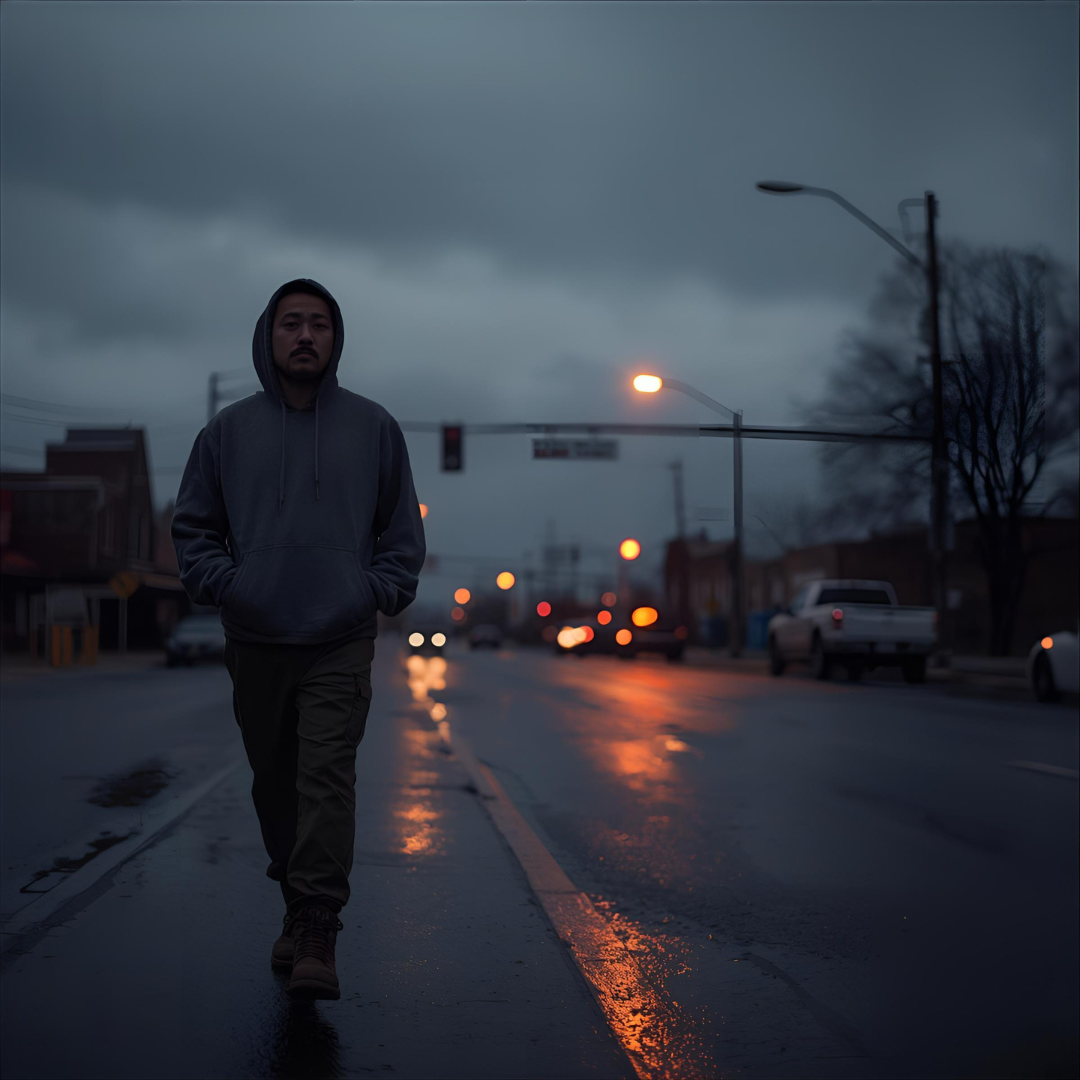
The clang of a steel gate still echoed in Malik Thompson’s chest every morning, even after he walked free. Six months had passed since his release, but some sounds stayed welded into memory.
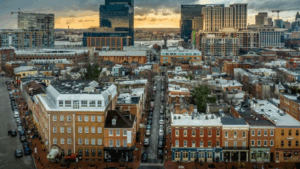
Detroit had its own rhythm: buses groaning down Woodward Avenue, horns snapping at traffic, voices sharp on the corners. Malik pushed through it all on his way to the warehouse, trying to focus on the paycheck waiting at the end of the week. This job was his path to redemption, a second chance that carried the weight of faith and freedom.
Malik’s anger had been building since childhood. His father vanished before he could form a single memory of him. There were no Saturday ball games, no lessons on how to turn a wrench, no steady voice telling him how to cool down when rage rose up.
What he got instead was silence, a hole at the kitchen table, and a mother stretched thin from two jobs. She loved him, but her exhaustion showed in her eyes, in the way she fell asleep sitting upright on the couch with a uniform still on.
By the time Malik hit middle school, anger had become his second language. Teachers called him “unreachable.” Other kids whispered about his temper but never to his face. Every fight left his knuckles swollen, every outburst gave him a reputation he wore like armor.
It felt safer to be feared than forgotten. In truth, every punch was just a way to shout, Why did you leave me?
By seventeen, the pattern was carved deep. He punched first, thought later. Every insult was tinder, every challenge a spark. He got locked up twice for assault before he could even register to vote.
At twenty-one, a bar fight spun out of control. A man’s jaw broke under a beer bottle Malik swung, and the judge gave him twelve years. When the cuffs clicked shut, Malik’s heart was full of rage, rage at the world, rage at the ghost of his father, rage at himself for being exactly what he swore he wouldn’t be.
Prison taught him what rage costs. On the inside, anger was everywhere: fists slamming on metal tables in the chow hall, curses ricocheting across the yard, guards’ batons cracking down without hesitation.
Malik spent his first years throwing hands at anyone who looked sideways. It landed him in the hole more than once.
The hole was pure silence, broken only by the buzz of fluorescent lights and the sound of his own breathing bouncing off concrete walls. He curled on a steel bunk with a thin mattress, watching the roaches scurry across the floor.
In that silence, he began to wonder if he was anything more than the anger that carried him there.
One night, after a fight in the yard, an older lifer named Reggie pulled him aside. Reggie moved slow, spoke soft, and never raised his voice. His calm cut through chaos like a blade.
“Son,” Reggie told him, eyes locked on his, “you ain’t fightin’ them. You fightin’ yourself. And if you don’t win that fight, the world already beat you.”
The words burned deeper than any bruise. Malik carried them like a stone in his pocket, rough but steadying, through the years that followed.
“you ain’t fightin’ them. You fightin’ yourself. And if you don’t win that fight, the world already beat you.”
When release finally came, Malik wanted to believe he was ready. He stepped into a city that looked different but felt the same. The skyline had new glass towers, but the same poverty clung to the blocks where he grew up.
He landed a job in a warehouse, moving pallets and stacking boxes until his back throbbed. The pay wasn’t much, but it was honest. Still, the fire inside him smoldered, waiting.
It didn’t take long before it was tested. One afternoon, while Malik struggled to lift a heavy crate, the foreman barked across the floor.
“You’re too slow, Thompson. Maybe prison taught you nothing.”
The words hit like gasoline on coals. His fists clenched, jaw locked, blood rushing so hard he could hear it in his ears. The faces of his coworkers turned toward him, expecting an explosion.
For a heartbeat, Malik could see himself lunging, swinging, shattering all the thin progress he had made.
Then, through the haze, Reggie’s voice rose up in memory. You ain’t fightin’ them. You fightin’ yourself.
Malik forced himself to breathe. He smelled dust and motor oil thick in the air, felt sweat sting his eyes, and heard the hum of a forklift nearby. Slowly, he let his fists drop. His chest heaved, but he stood still.
“Yes, sir,” he muttered through clenched teeth, holding the fire inside. The foreman scowled, muttered something under his breath, and walked away.
That night, Malik sat on the edge of his bed in his small apartment. His hands still ached from clenching, veins raised under the skin like cords. The rage was still there, humming like an engine under the hood, but for the first time he had proven he could keep it caged.
It was a small victory, but it was his.
He picked up the phone and called his mother. When she answered, her voice shook with relief just to hear him steady. Malik told her about the day, about the fight he didn’t start. She cried softly on the other end, and Malik felt a tightness in his chest loosen for the first time in years.
The rage was still there, humming like an engine under the hood, but for the first time he had proven he could keep it caged.
Reflection
Anger will eat a man alive if he doesn’t learn to chain it. I saw it drag brothers straight back to the same cage they swore they’d never touch again. Malik had every reason to swing that day, to let the fire run wild. But instead he chose control, and that’s the hardest choice a man without a father ever learns. Freedom ain’t just stayin’ out the gates, it’s keepin’ your fists in your pockets when the world begs you to throw them.
Freedom ain’t just stayin’ out the gates, it’s keepin’ your fists in your pockets when the world begs you to throw them.
O.G. RedDawg