Marcus Delgado
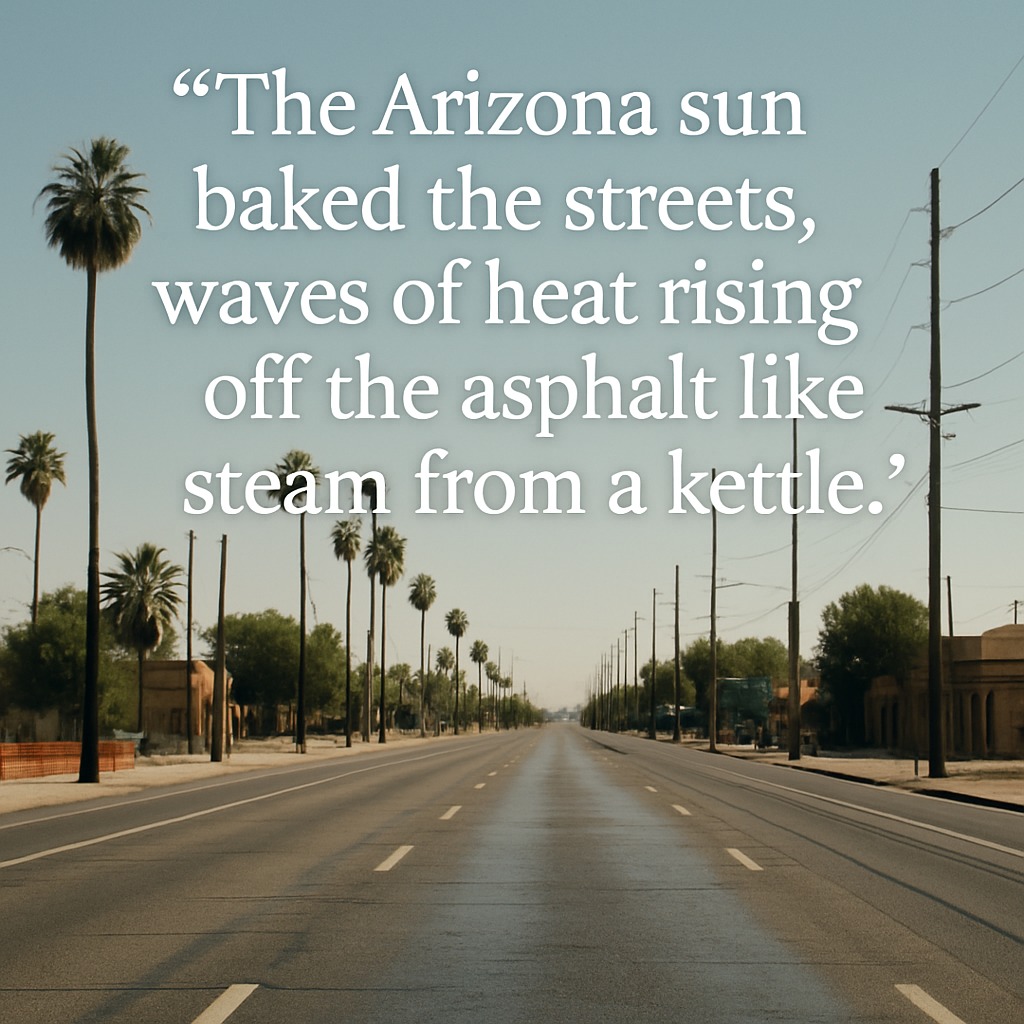
The Arizona sun baked the streets, waves of heat rising off the asphalt like steam from a kettle. Marcus Delgado wiped sweat from his brow as he stacked boxes in the back room of the grocery store. It was his first steady job since walking out of prison six months ago, and though his back ached and his hands blistered, he clung to the work as if it were the only rope holding him above water.
Marcus had grown up in Phoenix, raised by a single mother who worked long hours at a diner. His father had drifted south and never looked back. By fifteen, Marcus was already skipping school, chasing older boys who ran hustles in the neighborhood. They taught him to hotwire cars, and soon he was joyriding through desert nights, headlights cutting through cactus shadows. The thrill was short-lived; the arrests came quickly. At twenty, he caught a burglary charge, then another. Drugs slid into his life in the form of pills and powder, numbing the guilt but sharpening the spiral.
Prison slammed down hard. The air inside smelled of bleach and sweat, meals were rubber and salt, and the noise of men shouting through bars rang in his ears at night. Withdrawal made his body shake until he thought he would break. For weeks, he curled on his bunk, clutching his stomach as if he could squeeze the sickness out. Guards tossed him crackers, indifferent. Time slowed to a crawl, marked only by headcounts and the slam of doors.
Marcus fought often his first years inside, trying to prove he could not be broken. The hole became a second home, four walls of cinderblock pressing in. In that silence, he thought about the mother who still sent letters, about the wasted years, about the boy he used to be. An older inmate named Angel took notice. Angel worked the kitchen line, always calm, never quick to anger. One day, he told Marcus, “Strength isn’t in your fists, hermano. It’s in your choices.” Marcus scoffed, but the words sank deeper than he expected.
Strength isn’t in your fists, hermano. It’s in your choices.
Near the end of his sentence, Marcus entered a reentry program. They drilled him on job interviews, budgeting, and how to handle the cravings that would stalk him once he was free. He listened, hungry for anything that might keep him from circling back.
Release came on a clear morning. The sky stretched wide, the air sharp with dust and gasoline. Marcus stepped into it carrying a bus ticket, a bag of clothes, and the determination to do different. He found work at the grocery store through a community program. It was heavy lifting, endless stocking, and late nights, but it was honest. He liked the burn in his muscles at the end of the day; it felt earned.
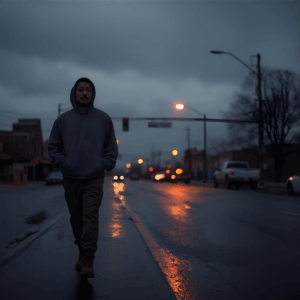
Temptation waited, though. One evening as he left work, a man he once ran with leaned against a car in the lot. “Marcus,” he called, grinning. “Got a package needs moving. Quick run, easy cash. A grand for one night.” The offer slid into Marcus’s ears like a blade. His body remembered the rush, the way powder made the world tilt. He felt sweat bead on his neck, the desert air thick as tar.
He thought of his mother, older now, her hands stiff from years of carrying plates. He thought of Angel’s words in the chow hall: Strength is in your choices. He pictured the halfway house where he slept, the bunk that felt small but safe. Slowly, Marcus shook his head.
“Not me,” he said, voice low but steady. “Not anymore.”
The man sneered. “You think stacking cans gonna save you? That’s peanuts.”
Marcus squared his shoulders. “Peanuts are better than chains.”
Peanuts are better than chains.
The sneer slipped. The man cursed, slammed his door, and drove off. The roar of the engine faded into the desert night, leaving Marcus alone in the parking lot, chest heaving but unbroken.
That night, Marcus sat at his mother’s table. She served rice and beans, the smell filling the small kitchen. Across from him, his nephew asked about his new job, eyes wide with curiosity. Marcus told him about the boxes, about how hard the work was, but how good it felt to finish a shift clean. His mother smiled through tears, and Marcus felt, for the first time in years, that maybe he was building something worth keeping.
Reflection
The streets will always whisper easy money, but easy has a price higher than most can pay. Marcus learned that sweat and sore muscles cost less than another number stamped on his back. That choice made him free in a way prison never could. Choices build men, not the rush of powder or the shine of cash. Marcus chose right, and he stayed standing.
O.G. RedDawg